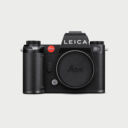
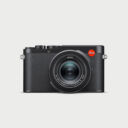








































Would you like to buy a Leica camera, but don’t know which model to choose? Are you hesitating between cameras from the iconic M system, those from the powerful SL system, or a more compact body such as those from the Q and D-Lux series?
Each range has its own features and benefits, suited to different styles of photography.
Find out in this article which Leica camera is right for you. In this guide, we present the different Leica models to consider in 2026 to help you make the best Leica choice for your needs and expectations.
Table of contents
1. Leica M11-P
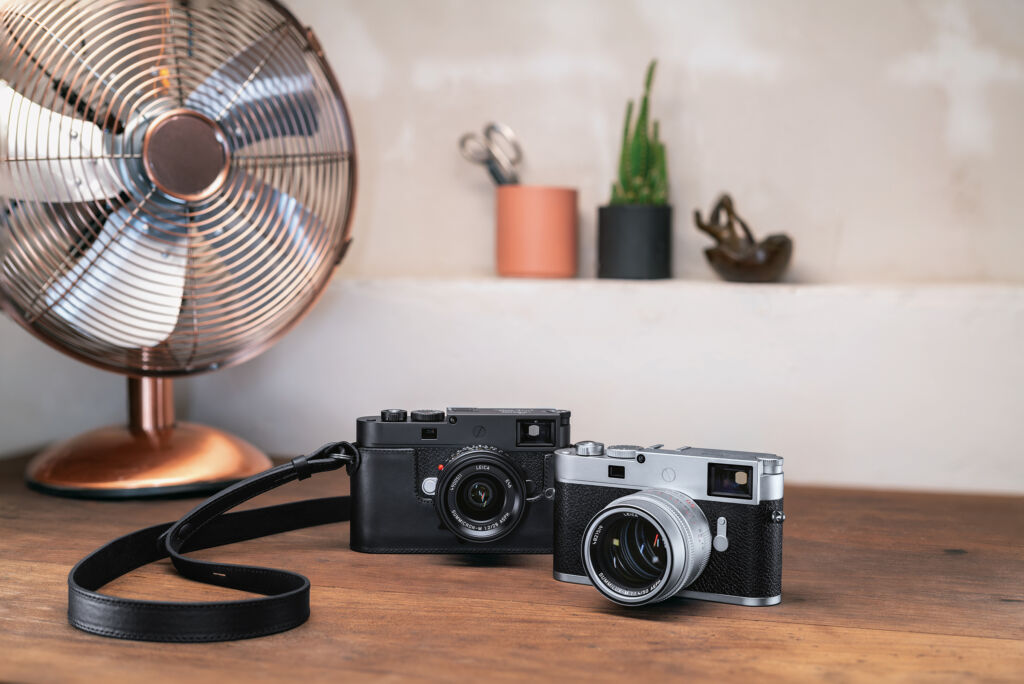
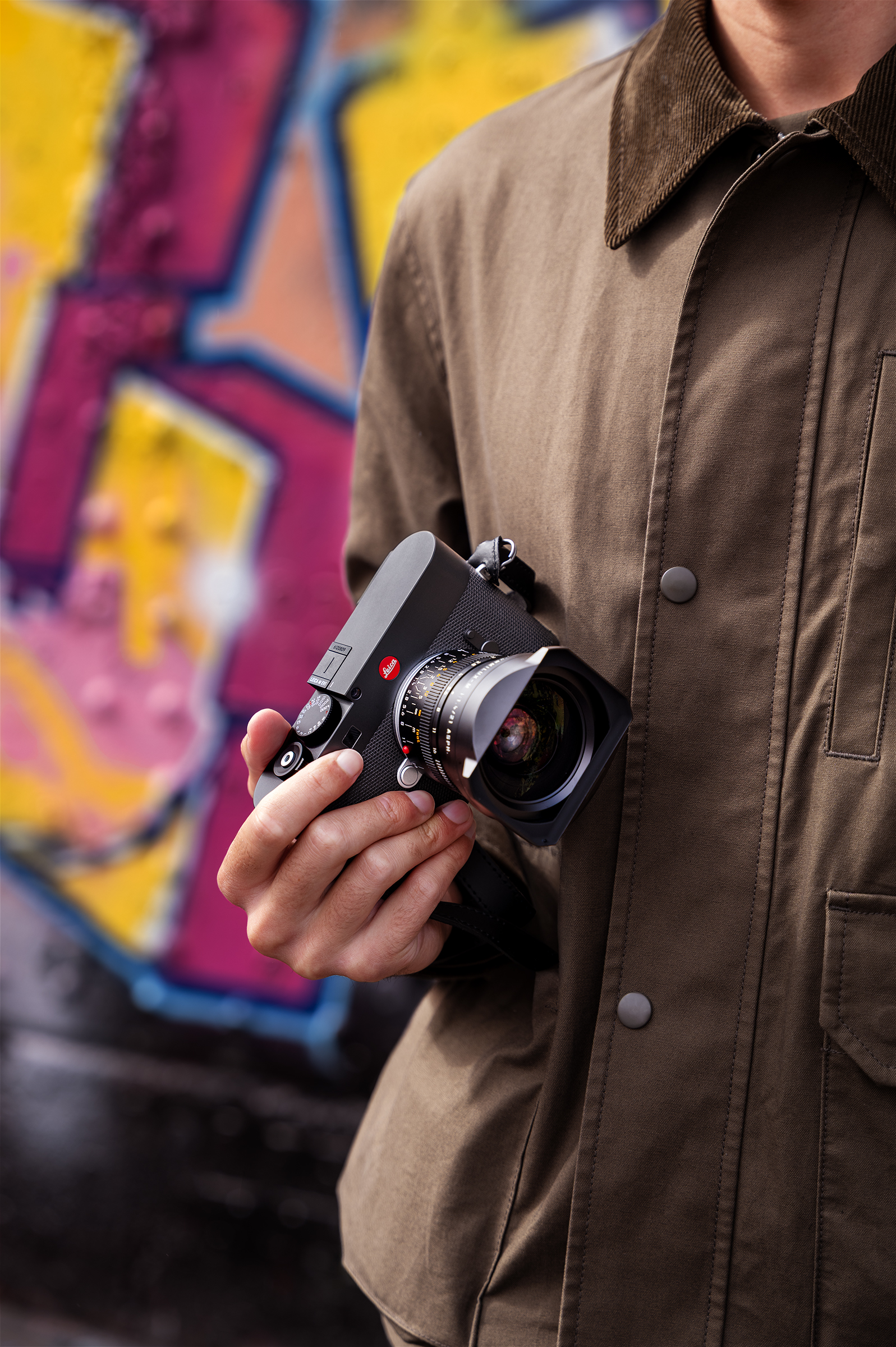
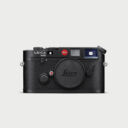
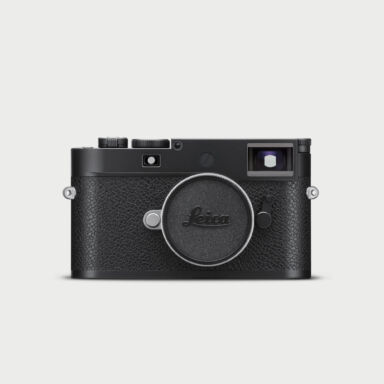
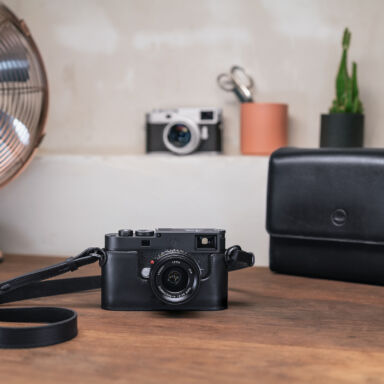
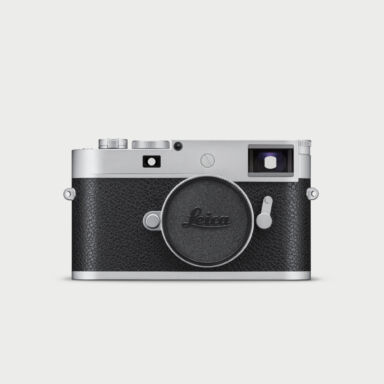
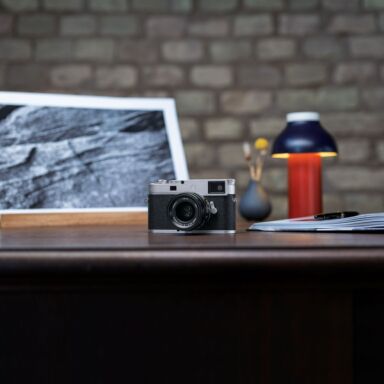
The Leica M11-P is the evolution of the famous Leica M11, combining the brand’s classic style with cutting-edge technology. In terms of design, it retains the elegant lines of the M11, but abandons the iconic red logo for a more discreet look, ideal for street and reportage photography.
Beneath its refined body, the M11-P features the same 60 MP full-frame BSI CMOS sensor as the M11, guaranteeing exceptional image quality. Thanks to its triple-resolution technology (60, 36 or 18 MP), it offers great flexibility and an extended dynamic range, enabling photographers to achieve images rich in detail and nuance.
What truly sets the Leica M11-P apart from the M11 is its 256 GB internal memory. Additionally, it features Leica Content Credentials, an image authentication technology designed to combat digital manipulation and AI-generated content.
Ideal for: The M11-P is the ideal Leica choice for street photographers, reportage photographers and purists seeking an authentic experience with an understated design.
Discover the M11-P
- Authentic Leica design
- Wide choice of M lenses
- Content Authenticity Initiative (CAI)
- 256 GB internal memory
- Rangefinder focusing requires a certain amount of skill
- Leica Content Credentials technology still in its infancy
- No in-camera image stabilization (IBIS)
- No video capability
2. Leica M EV1
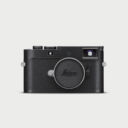
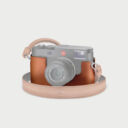
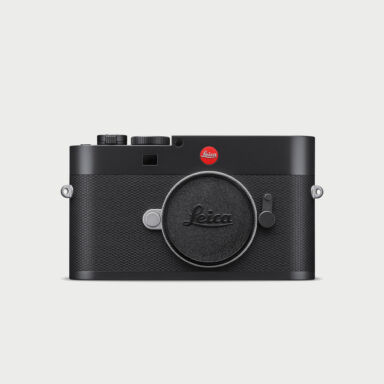
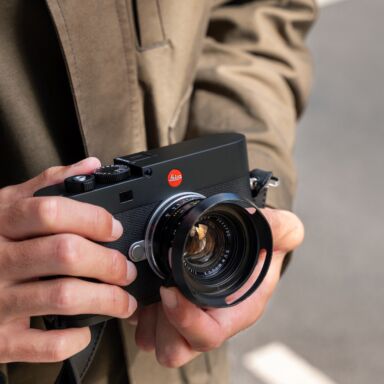
The M EV1 is the first Leica M camera to feature a built-in electronic viewfinder, offering a more practical and precise manual-focus experience. It combines the classic Leica M shooting philosophy with the advantages of an EVF, providing full control over composition.
The electronic viewfinder displays the final image in real time, along with key shooting information and focus-assist tools. These features are particularly useful when working with fast lenses, extreme focal lengths or macro setups. All essential settings remain visible without taking your eye away from the viewfinder.
Housed in a compact body, the M EV1 features a 60 MP full-frame sensor that delivers image quality true to the Leica signature. The controls are designed for fast and intuitive handling, while maintaining the clean, minimalist aesthetic of the Leica M system.
Ideal for: The Leica M EV1 is perfect for photographers seeking a balance between Leica heritage and digital modernity, in a compact and responsive body for street, travel, or documentary photography.
Discover the M EV1
- Built-in electronic viewfinder
- Compatibility with M lenses
- Compact body
- No autofocus
- No stabilization (IBIS)
- No video capability
3. Leica Q3 Monochrom
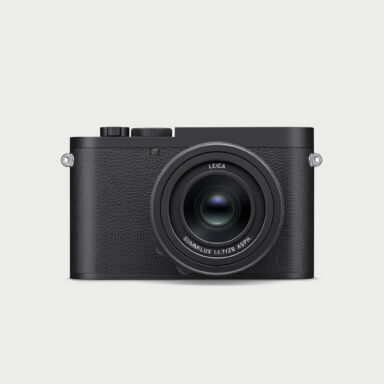
The Leica Q3 Monochrom is a full-frame compact camera dedicated exclusively to black-and-white photography. Its 60 MP monochrome sensor, free of a color filter array, delivers exceptional rendering of textures, contrast and tonal gradations, with rich tonal depth.
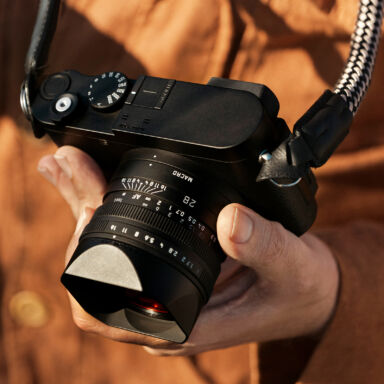
It features a stabilized Summilux 28 mm f/1.7 ASPH. lens with a macro mode, combining versatility with high optical performance. The high-resolution electronic viewfinder and tilting screen ensure smooth and precise shooting.
The Q3 Monochrom also integrates Content Credentials technology, ensuring image authenticity within a compact body.
Ideal for: The Q3 Monochrom is the perfect choice for photographers passionate about black and white photography.
Discover the Q3 Monochrom
- Exceptional monochrome image quality
- High sensitivity and extended ISO range
- Summilux 28 mm f/1.7 stabilized fixed lens
- Monochrome niche only
- High price and specialized focus
4. Leica Q3
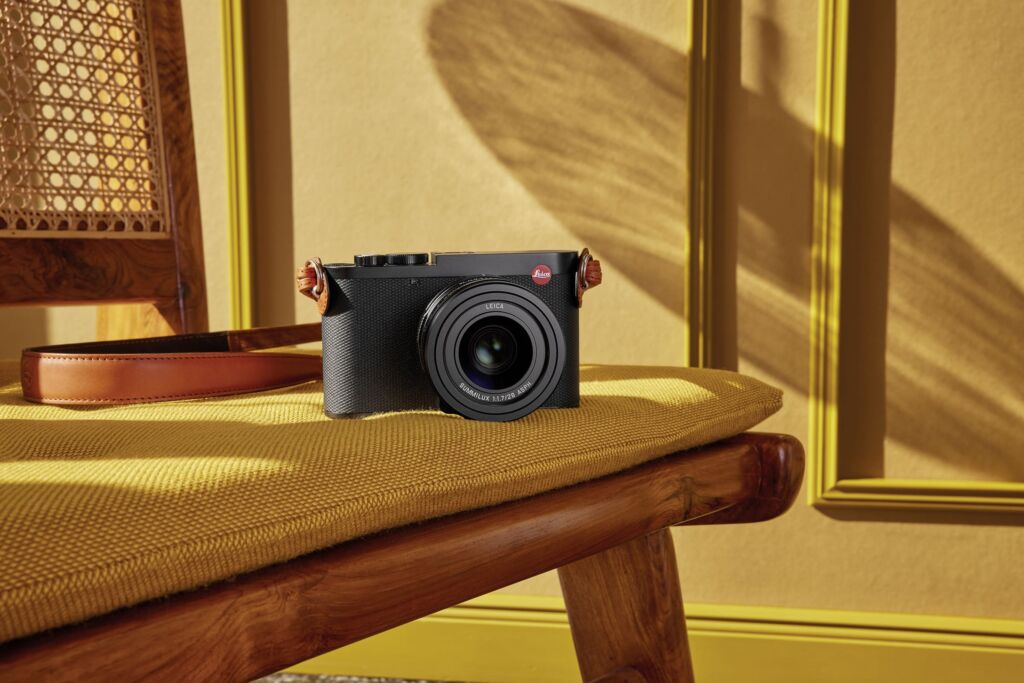
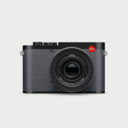
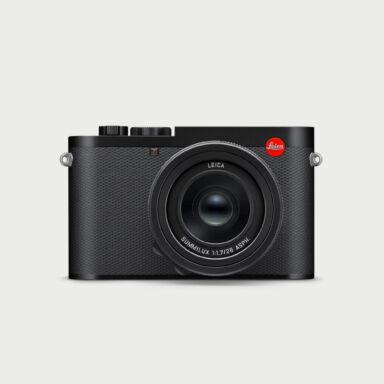
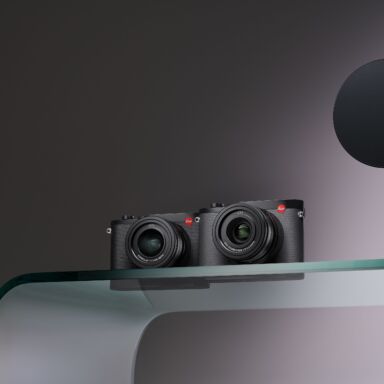
The Q3 is the best Leica camera for photographers looking for a compact body. It combines the best of compact and professional cameras with its 60 MP full-frame sensor and integrated 28mm f/1.7 Summilux lens, ideal for capturing sharp, detailed images with beautiful background blur.
Every picture taken with the Q3 benefits from Leica processing, offering superb color rendition and exceptional dynamic range. It also boasts a high-performance autofocus system that delivers fast, accurate results, especially when it comes to focusing on subjects, thanks to its face and eye detection capabilities.
Unlike the M11, the Q3 offers video functionality. It supports video up to 8K as well as ProRes and .h265 formats, and offers USB-C and HDMI ports.
Ideal for: The Leica Q3 is the choice of photographers looking for a Leica compact body.
Discover the Q3
- Compact body
- Tilting screen
- 8k video
- Subject recognition and tracking
- Fixed 28mm lens
- Weak image stabilization in video
- Less effective animal detection
5. Leica Q3 43
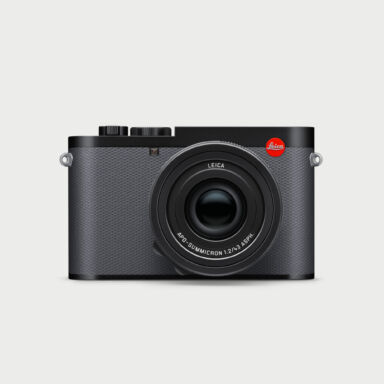
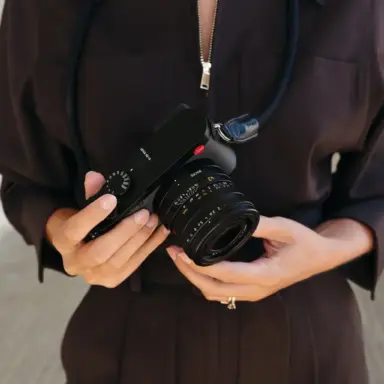
The Leica Q3 43 is an enhanced version of the Q3, designed for those seeking a more precise and natural photographic experience thanks to a specially developed lens.
It is equipped with an APO-Summicron 43mm f/2 ASPH lens, a high-quality apochromatic lens designed to produce distortion-free, impressively sharp images. This model is perfect for street photography and environmental portraits, offering a more natural field of view compared to the original Q3 with its 28mm lens.
Like the Q3, the Leica Q3 43 features a 60 MP full-frame sensor, delivering very high-resolution images with vivid colors and excellent dynamic range. Autofocus is fast and precise, and it incorporates face and eye detection features for impeccable focus on subjects.
It also retains the ability to shoot in 8K, with professional codecs for exceptional video quality.
Ideal for: The Q3 43 is the ideal Leica camera for photographers looking for a high-end all-in-one body suited to more naturalistic shooting.
Discover the Q3 43
- A more natural viewpoint
- Selection of digital frames from 43 mm to 150 mm
- 8k video
- Face recognition and tracking
- 48mm fixed lens
- No image stabilization in video
- Limited animal detection
6. Leica SL3-P
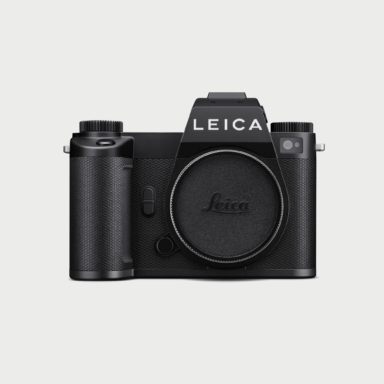
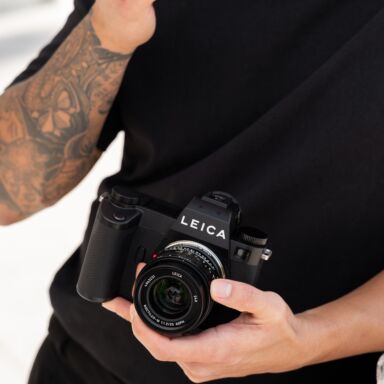
The Leica SL3-P is a full-frame mirrorless camera featuring a 44 MP BSI sensor, designed to meet the demands of professional photography and videography. Its 819-point hybrid autofocus, combined with AI-powered subject recognition, ensures precise focusing and responsive tracking at up to 40 frames per second. 5-axis in-body image stabilisation and a Multishot mode of up to 176 MP offer great creative flexibility.
For video, the SL3-P supports 8K Open Gate recording, Apple ProRes and HDMI RAW output. Its 5.76-million-dot OLED viewfinder, customisable interface and tilting screen make it easy to work in the field. Made in Germany, its fully metal body with IP54 certification combines durability with a discreet design.
Ideal for: The Leica SL3-P is the perfect camera for professional photographers and videographers looking for a versatile camera that combines high resolution, advanced autofocus and professional video capabilities.
Discover the SL3-P
- Multishot mode up to 176 MP
- 819-point AI autofocus
- Burst shooting up to 40 fps
- 5-axis in-body image stabilisation
- 8K Open Gate video and Apple ProRes
- Rugged body with IP54 certification
- Lower resolution than the SL3
- Complex for beginners
- Professional-grade size and weight
7. Leica D-Lux 8
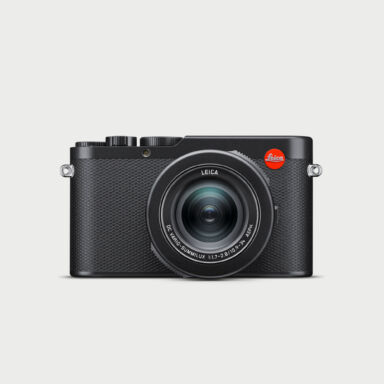
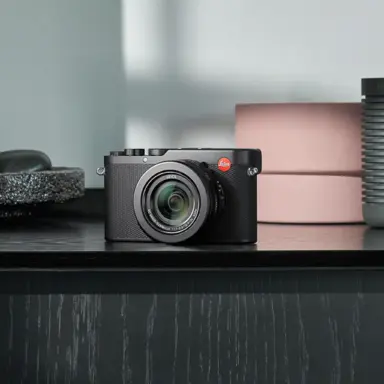
The Leica D-Lux 8 is the ideal Leica option for those who want a Leica camera at an affordable price. Compact and easy to use, it combines minimalist aesthetics with practicality, making it perfect for photographers looking for a portable body.
Equipped with a 22 MP sensor, it delivers high-quality images, perfect for everyday use or sharing on social networks. Its integrated Leica DC Vario-Summilux 10.9-34mm f/1.7-2.8 ASPH. lens covers the majority of everyday photographic needs.
The D-Lux 8 also features an image format selector, useful for publications on platforms such as Instagram.
Although it offers video capabilities, they are inferior to those of Q-series models, but remain an asset compared to M-system bodies.
Ideal for: The D-Lux 8 is perfect for passionate and amateur photographers looking for a compact camera at a more affordable price.
Discover the D-Lux 8
- Affordable price
- f/1.7-2.8 zoom lens
- Easy to switch from one ratio to another
- Relatively low pixel count
- Low video capacity
Which Leica camera to choose?
In a nutshell, which Leica camera model you choose will depend on your style and what you want from your camera.
If you like the classic approach andunique rangefinder experience, the M11-P is for you.
If you want a camera body that retains the heritage of the M series but with a more modern approach, go for the M EV1.
If you’re looking for a compact, powerful and easy-to-use body, the Q3, Q3 43 and Q3 Monochrom are perfect choices for versatile use.
If you’re an experienced photographer and need more flexibility and professional performance, the SL3-P is an excellent option.
The D-Lux 8, meanwhile, is an excellent alternative if you’re looking for a compact, easy-to-use Leica camera, without the need for a camera with a high pixel count.